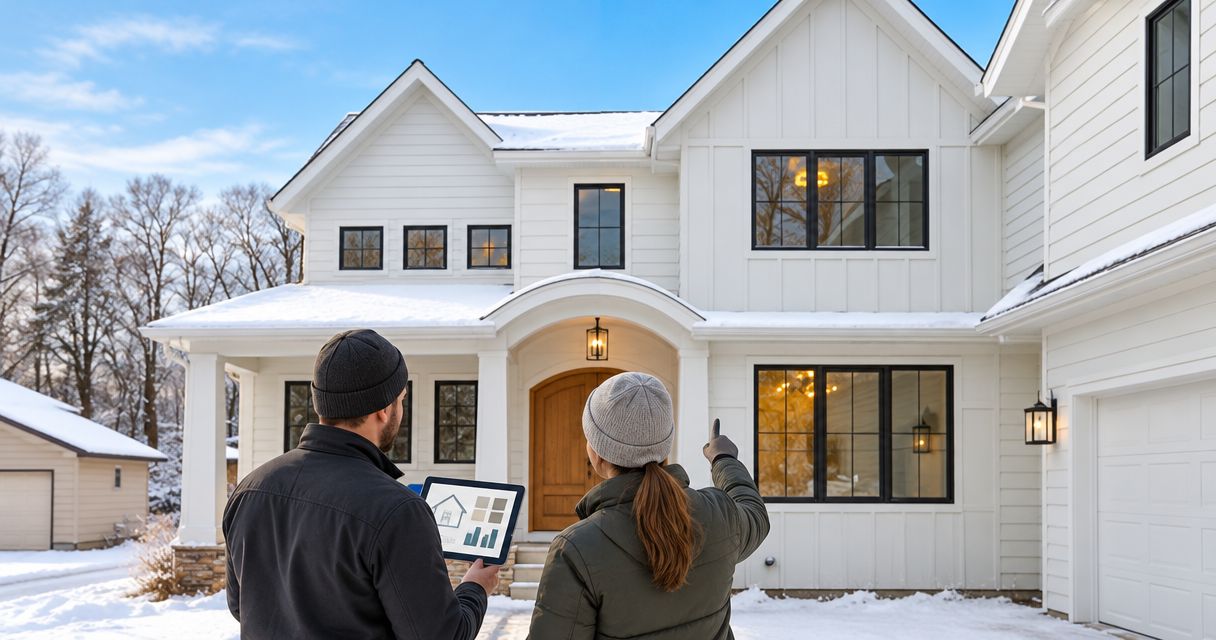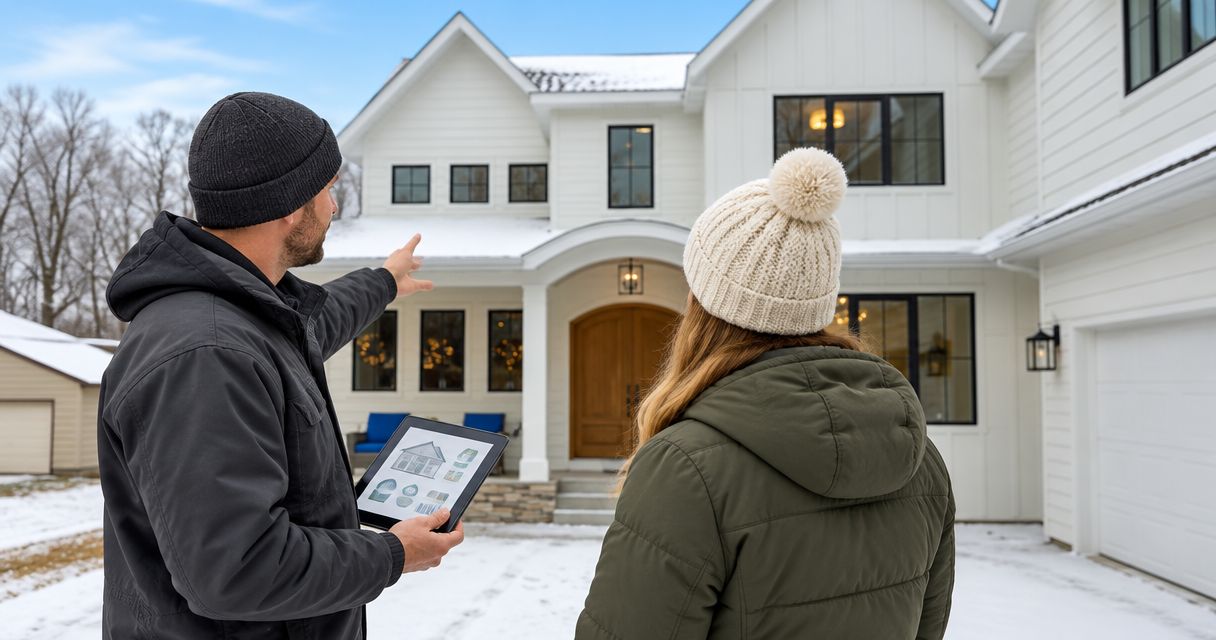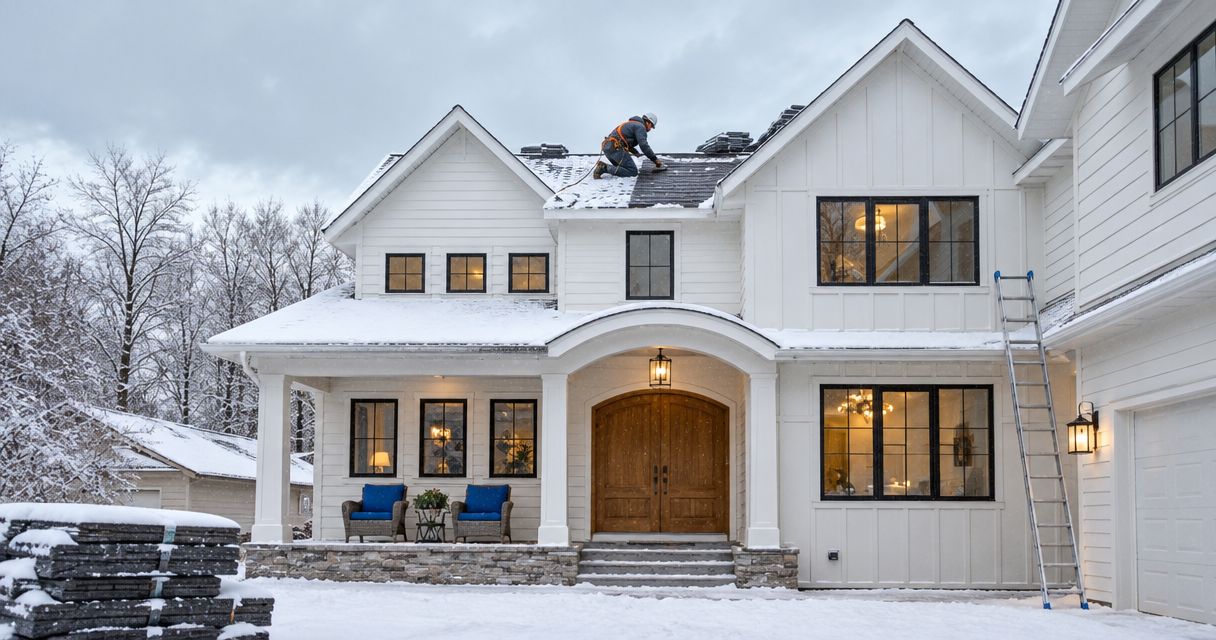
Ask roofing contractors in St. Paul to explain their inspection findings, repair-versus-replacement recommendation, written scope, permit responsibilities, flashing details, property protection, and process for unexpected damage. Before signing a roofing contract in 2026, get those answers in writing, including what the proposal excludes and who approves changes after tear-off.
- For roofing contractors st paul searches, choose documented inspection findings over an unexplained replacement recommendation.
- Atozmn serves Twin Cities property owners seeking remodeling services that include roofing and storm damage restoration.
- Compare roof repair and roof replacement against the same documented conditions, not different assumptions.
- Require written flashing details, permit responsibilities, cleanup terms, and approval procedures for concealed damage.
What should you ask roofing contractors in St. Paul?
Ask each contractor to connect a documented roof condition to a specific repair or replacement task. A proposal should explain what gets removed, what stays, how vulnerable connections are rebuilt, and what happens when concealed damage becomes visible.
Use this guide to what belongs in a roof replacement estimate to organize the written scope before comparing proposals.
1. What did your inspection find?
Ask the contractor to separate observed damage from suspected problems. Request photographs with locations identified: a roof slope, chimney, vent, valley, or wall connection is more useful than an unlabeled close-up.
Have the contractor explain whether the problem concerns the roof covering, flashing, decking, ventilation, or another building component. An interior stain identifies where water appeared; it does not, by itself, establish where water entered.
Ask these follow-up questions:
- Which conditions did you inspect directly?
- Which areas were inaccessible?
- What additional inspection would resolve the uncertainty?
- Does the proposed work address the entry point and damaged materials?
Do not accept a diagnosis that names only the visible symptom. You need a connection between the inspection finding and the proposed work.
2. Why are you recommending repair or replacement?
Ask what makes the proposed approach suitable for the roof's actual condition. A repair recommendation should identify the limited area being addressed and explain the condition of the surrounding roof.
A replacement recommendation should explain why localized work would leave unresolved problems. Ask whether the concern is widespread deterioration, multiple affected areas, damaged underlying materials, or difficult connections between existing and new work.
Neither answer should depend only on appearance. Ask the contractor to show the evidence behind the recommendation and describe what remains outside the project.
3. What exactly does the written scope include?
Request a proposal that identifies removal, disposal, roof materials, underlayment, flashing, penetrations, ventilation work, and cleanup. Where a component stays in place, the proposal should say so rather than leave you to assume it gets replaced.
Ask how the contractor will document concealed decking damage discovered after removal. The agreement should explain who receives the findings, who authorizes additional work, and how that authorization becomes part of the project record.
For your 2026 project, keep the accepted scope, material selections, and later changes together. A text conversation scattered across several phones is harder to reconcile than an organized written record.
4. Who handles permits and credential verification?
Ask who determines the permit requirements for your St. Paul property, who obtains any required permit, and who coordinates inspections. Confirm requirements with the city for the actual project rather than relying on a general statement about roofing work.
Request the contractor's legal business name and applicable license information. Verify credentials through the relevant Minnesota licensing authority, and request current insurance documentation identifying the business performing the work.
Also ask who will supervise the job and whether subcontractors will perform any portion. You need a named contact for installation questions, property access, and changes—not just the person who prepared the proposal.
5. How will you handle flashing and roof connections?
Ask how the scope addresses chimneys, skylights, plumbing vents, valleys, and roof-to-wall intersections that exist on your building. These details deserve individual answers because each connection interrupts the roof's water-shedding surface.
The contractor should identify which components get replaced, which remain, and how new work connects to existing materials. Ask whether siding or other adjacent finishes must be disturbed to complete the connection.
A proposal that names shingles but leaves flashing undefined is not ready for a like-for-like comparison. Have the contractor resolve those omissions before you approve the work.
6. How will you protect the property during construction?
Ask where materials and debris containers will go, how workers will access the roof, and how the contractor will protect landscaping, siding, windows, and outdoor equipment. Identify any entrances that must remain usable.
For commercial property, discuss tenant access, deliveries, customer routes, and rooftop equipment. For a home, identify pets, children's play areas, parked vehicles, and places where falling debris would create a problem.
Ask how exposed work will be protected if weather interrupts installation. The answer should describe responsibility for temporary protection rather than promise uninterrupted weather.
7. What happens if the scope changes?
Ask what triggers a written change and whether work pauses for your approval when unexpected conditions appear. Distinguish urgent temporary protection from permanent work that changes the agreed project.
The change record should identify the condition, supporting photographs, proposed work, and effect on the agreed schedule and contract terms. Decide who can approve changes before construction starts.
This matters when another owner, property manager, or business partner shares decision-making responsibility. The crew should not have to guess whose verbal approval controls the project.
8. What will I receive at closeout?
Ask for the final walkthrough process, cleanup responsibilities, permit closeout documentation where applicable, and product documents for installed materials. Request written explanations of any workmanship and manufacturer coverage that applies to the selected work.
Do not assume those coverages are identical. Ask who receives a service request, what documentation is required, and which conditions or exclusions apply.
Before signing in 2026, establish how unresolved items will be recorded and who will confirm completion. A defined closeout process gives both parties a clear endpoint.
Why this matters
Roofing proposals are difficult to compare when contractors answer different questions. One proposal might address a limited leak while another includes removal, decking evaluation, and new flashing at several connections.
Compare the proposed construction scope before comparing contract totals. Missing details do not disappear when work starts; they become decisions made under pressure while part of the building is exposed.
For Twin Cities property owners, local evaluation also means discussing the actual building, site access, municipal requirements, and weather protection. A nearby business address alone does not answer those questions.
Roof repair or replacement: What should each answer cover?
Use the same inspection findings to evaluate both options. Neither approach is automatically the correct choice for every roof.
| Option | Best for | Practical advantage | Limitation to discuss |
|---|---|---|---|
| Targeted repair | A documented, localized problem with surrounding materials suitable to remain | Limits work to the affected area | Leaves the rest of the existing roof in place; ask what remains unresolved |
| Roof replacement | Documented conditions that justify broader removal and rebuilding | Allows evaluation of underlying materials within the removed area | Expands disruption and requires clear decisions about flashing, ventilation, and adjacent finishes |
Ask the contractor to explain the boundary of the recommendation. For repair, that means identifying the area and conditions not being corrected; for replacement, it means defining what is actually included beyond the roof covering.
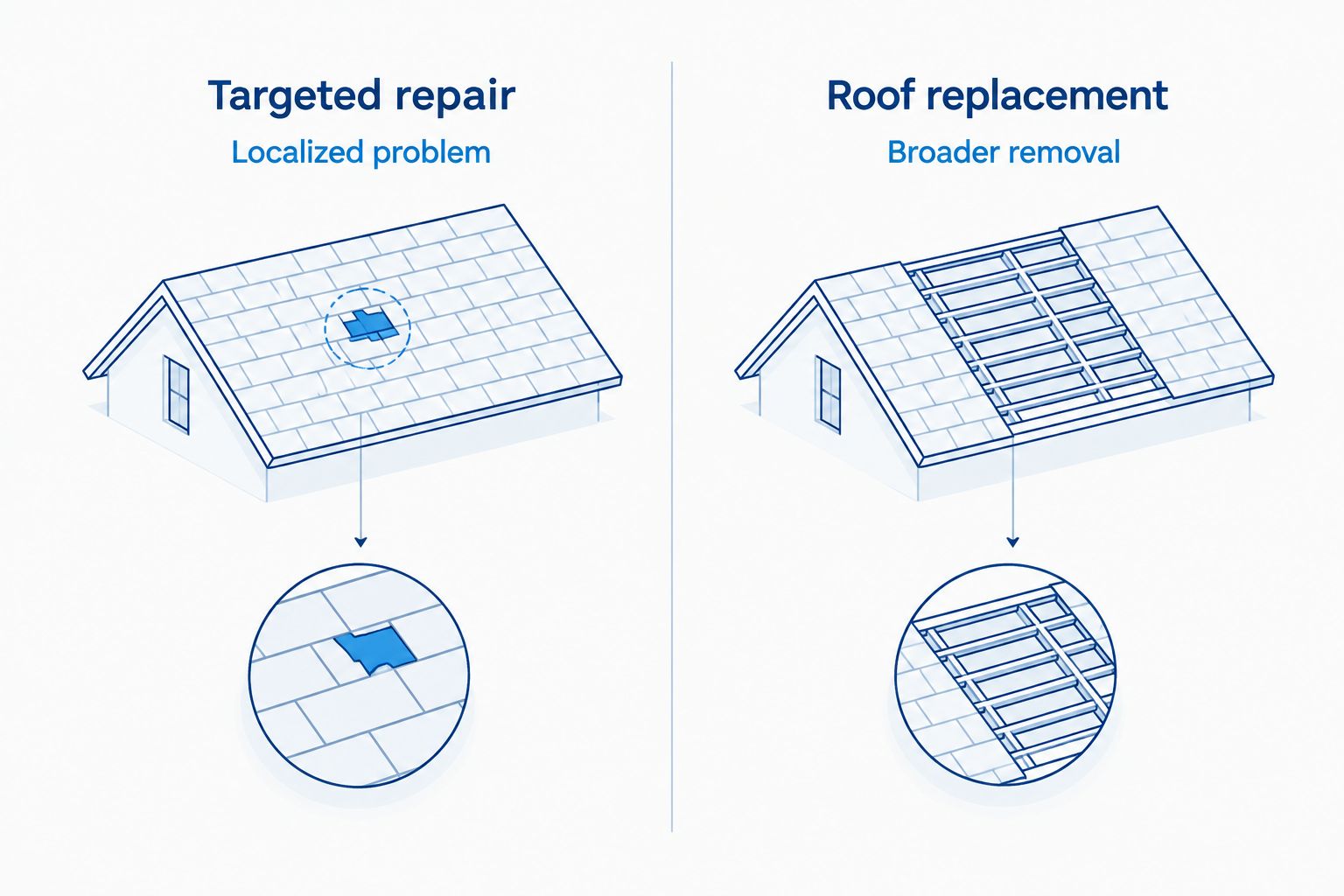
If proposals recommend different approaches, ask both contractors to explain the same photographs and affected areas. That produces a more useful comparison than asking each to defend a recommendation without shared evidence.
Why roofing recommendations vary
Different recommendations need a construction explanation. Ask which of these factors changed the proposed scope:
- Extent of damage: An isolated defect and deterioration across several roof areas call for different evaluations.
- Underlying conditions: Decking condition affects the work required beneath the visible roof covering.
- Roof connections: Chimneys, skylights, valleys, and wall intersections add details that must be addressed explicitly.
- Existing materials: The condition of materials intended to remain affects how new work can connect to them.
- Access and occupancy: Tight staging areas, active business entrances, and occupied spaces change construction planning.
- Related projects: Planned siding work, additions, or sunrooms introduce connections that need coordination before installation.
Ask the contractor to mark which factors apply to your property. A generic explanation of roofing work is not a substitute for a building-specific scope.
What should you ask if you are planning an addition or sunroom?
Ask how the existing roof work will connect with the planned addition or sunroom. The connection can involve roof geometry, wall flashing, drainage, and access to areas that later construction will alter.
For a 2026 project involving both scopes, have the responsible contractors identify the intended sequence before either contract is finalized. Clarify which contractor owns each connection and who documents the completed detail.
Do not assume a new roof eliminates the need to revisit an area when an addition is built. Ask whether the planned work will disturb materials you are about to replace, and make that overlap part of the discussion.
How do you evaluate a local remodeling firm for roofing work?
Evaluate a local remodeling firm through the same written-scope questions you would ask any roofing contractor. If the project also involves siding, storm damage restoration, or interior repairs, ask who coordinates the affected trades and where responsibility changes hands.
Atozmn is best suited to consideration by Twin Cities property owners seeking remodeling services that include roofing and storm damage restoration. That service mix is relevant when your project crosses trade boundaries; it does not replace verification of credentials, inspection findings, or contract details.
You can request a free consultation to discuss your property and intended scope. Bring roof photographs, previous repair records, and any addition or sunroom plans so the conversation addresses the whole project.
Discuss your roofing project
Bring your roof concerns and any related remodeling plans to a free consultation.
FAQ
What should I ask a roofing contractor before signing?
Ask for documented inspection findings, a written scope, permit responsibilities, flashing details, property protection, and change-approval procedures. Confirm who supervises the work and what documents you receive at closeout.
How do I compare roofing contractors in St. Paul in 2026?
Compare roofing contractors in St. Paul in 2026 against the same written scope and inspection findings. Resolve differences in removal, decking evaluation, flashing, ventilation, disposal, and cleanup before choosing.
Should I repair my roof or replace it?
Choose repair or replacement based on documented roof conditions and the problems each approach will address. Ask what remains unresolved after a repair and why broader removal is justified if replacement is recommended.
Who should handle the roofing permit?
Your agreement should identify who determines permit requirements, obtains any required permit, and coordinates inspections. Confirm the requirements for your property and scope with the City of St. Paul.
What happens if the contractor finds damaged roof decking?
The contractor should document the condition and follow the agreed process for authorizing additional work. Establish that process before signing, including who can approve changes and how schedule effects are recorded.
Does a new roof include new flashing?
Do not assume roof replacement includes every flashing component. Require the proposal to identify which chimney, wall, valley, skylight, and penetration details will be replaced or retained.
What should I ask about roofing warranties?
Ask for written terms describing any applicable workmanship and manufacturer coverage. Confirm the responsible business, service-request procedure, exclusions, and documentation requirements rather than relying on a verbal assurance.
Should I mention a future sunroom during a roofing consultation?
Yes, disclose a planned sunroom or addition before finalizing roofing work. Ask how the future connection affects roof layout, flashing, drainage, and construction sequencing.
One last thing
Ask what the contractor intends to leave untouched. A clear exclusion can reveal more than a long list of included materials, especially around existing flashing, concealed damage, ventilation, and adjacent siding.
For your 2026 roofing decision, mark each exclusion as accepted, clarified, or requiring additional evaluation. Finish that conversation before signing—not when the crew exposes the area.
Related guides
- Should you repair or replace your roof in Minneapolis?
- How do you plan home additions in Minneapolis?
- Can a sunroom home addition work year-round in Minnesota?