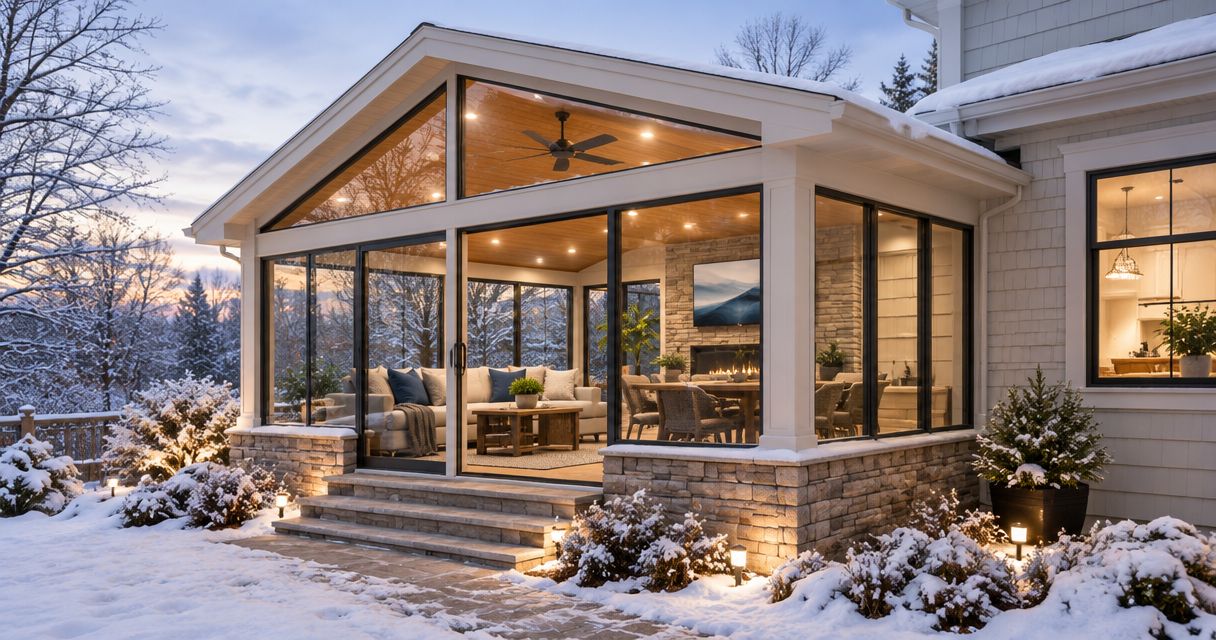
Best overall: make the property safe, then stop active water entry. Best for limiting secondary damage: controlled drying. Best for avoiding an incomplete repair: a documented scope. The best storm damage repair priorities for Twin Cities properties in 2026 follow the damage path, not the most visible stain.
- The best storm damage repair priorities start with safety, water control, documentation, and drying—not paint or replacement finishes.
- Atozmn handles storm damage restoration and remodeling for Twin Cities homeowners and commercial property owners.
- Roofing, siding, window openings, and addition connections need coordinated inspection when water enters the building.
- Separate necessary restoration from optional remodeling before approving the permanent repair scope.
Why this matters
Storm damage can cross several building systems. A displaced roof component can let water reach insulation, ceilings, cabinets, and flooring; replacing the stained ceiling alone leaves the entry point unresolved.
For your 2026 repair plan, distinguish emergency protection from permanent construction. Atozmn provides Twin Cities storm damage restoration and remodeling; use the site's contact page to request a quote or book a free consultation once immediate hazards are controlled.
What makes the best storm damage repair priorities
Rank the work by what happens if you delay it, not by which room you use most.
- Life safety: Address unstable construction, electrical exposure, gas concerns, and blocked exits before entering damaged areas.
- Water control: Stop additional rainwater from reaching the building interior before restoring finishes.
- Damage evidence: Record affected areas and temporary work so the permanent scope reflects actual conditions.
- Moisture control: Identify wet materials and concealed spaces before closing walls or ceilings.
- Repair continuity: Connect roofing, siding, windows, and additions into a complete exterior repair.
- Usable space: Restore safe access and essential functions before optional remodeling.
These priorities overlap. Documentation should happen alongside safe mitigation, not become a reason to leave water entering the property.
Storm damage repair priorities at a glance
| Rank | Priority | Best for | Standout function | Key limitation |
|---|---|---|---|---|
| 1 | Safety assessment | Dangerous or uncertain conditions | Establishes where people can safely enter | Does not repair the building |
| 2 | Temporary weather protection | Active leaks and exposed openings | Limits additional water entry | Is not a permanent roof or wall repair |
| 3 | Damage documentation | Defining the restoration scope | Connects visible damage, observations, and repair records | Photos cannot reveal every concealed condition |
| 4 | Drying and moisture assessment | Wet interiors and concealed assemblies | Identifies moisture before rebuilding | Dry-looking surfaces do not prove cavities are dry |
| 5 | Permanent exterior repair | Roof, siding, and opening damage | Restores connected weather-shedding details | Requires coordination across affected trades |
| 6 | Interior restoration | Returning rooms to use | Rebuilds damaged finishes and components | Fails if leaks or moisture remain |
1. Safety assessment: best for dangerous conditions
Keep people away from damaged areas until the hazards are understood. Sagging ceilings, damaged electrical equipment, leaning walls, and fallen branches touching utility lines are not homeowner inspection tasks.
For a commercial property, protect staff, customers, and delivery access as well as the damaged room. An undamaged sales floor does not make an affected ceiling or exit route safe.
Safety assessment pros:
- Puts occupants ahead of property recovery.
- Identifies areas that need restricted access.
- Helps separate emergency response from construction work.
Safety assessment cons:
- Access restrictions interrupt normal use.
- Different hazards require different qualified responders.
Best for: Any property with uncertain structural, electrical, utility, or access conditions after a storm.
Call 911 for an immediate life-threatening emergency. Do not enter standing water near electrical equipment or approach a downed utility line to take photographs.
Verdict: Hold entry and repair work in affected areas until immediate hazards are controlled.
2. Temporary weather protection: best for active leaks
Temporary protection addresses openings that continue to admit rain. Depending on the damage, qualified crews can protect exposed roof areas, broken openings, or other breaches while permanent repairs are arranged.
Do not climb onto a wet or damaged roof to investigate. Photograph safely accessible interior evidence and describe where water appears instead.
Temporary weather protection pros:
- Limits additional exposure while repair planning proceeds.
- Protects interior areas beneath the damaged assembly.
- Creates a separate record of emergency mitigation work.
Temporary weather protection cons:
- Temporary materials are not a finished repair.
- Protection needs checking after further severe weather.
Best for: Properties with active water entry or exposed building openings.
In a 2026 repair proposal, ask the contractor to distinguish temporary protection from permanent roofing, flashing, and siding work. Otherwise, an emergency patch can be mistaken for a completed restoration.
Verdict: Hold interior rebuilding until active water entry is controlled.
3. Damage documentation: best for defining the repair scope
Record damage from safe locations before cleanup changes what is visible. Keep wide views that identify the room or elevation, closer views of affected materials, and written notes describing what happened.
Maintain 3 record groups: damage photographs, contractor documents, and insurer communications. This is an organizational method, not a substitute for following your insurer's reporting instructions.
Damage documentation pros:
- Makes affected locations easier to discuss.
- Preserves a record of temporary protection and repairs.
- Helps compare proposals against the same observed damage.
Damage documentation cons:
- Photographs do not establish every concealed condition.
- Documentation alone does not determine insurance coverage.
Best for: Owners coordinating contractors, an insurer, property managers, or multiple affected spaces.
Ask contractors to identify inspection limits. A proposal based on visible surfaces should explain how newly exposed damage will be documented and handled, rather than treating concealed conditions as already resolved.
Verdict: Hold permanent repair approval until the written scope identifies the affected areas and proposed work.
4. Drying and moisture assessment: best for wet interiors
Water can remain behind drywall, beneath flooring, and inside insulation after the visible surface looks dry. Assess the affected assembly before deciding what can stay and what needs removal.
EPA homeowner mold guidance calls for drying wet materials within 24–48 hours to help prevent mold growth. That window is a reason to act promptly, not a promise that every assembly will dry within that time.
Drying and moisture assessment pros:
- Addresses concealed moisture before finishes cover it.
- Helps distinguish salvageable materials from damaged ones.
- Supports an informed decision about when rebuilding can begin.
Drying and moisture assessment cons:
- Inspection can require opening finished surfaces.
- Floodwater, sewage, or suspected contamination requires different handling from a clean-water leak.
Best for: Wet insulation, ceilings, wall cavities, flooring, and enclosed areas below roof leaks.
Ask how moisture conditions will be checked and recorded before reconstruction. A dry stain, a running fan, or the absence of a musty smell is not enough to establish that an enclosed assembly is ready.
Verdict: Hold wall and ceiling closure until the affected materials have been assessed and drying is confirmed.
5. Permanent exterior repair: best for roof and wall damage
Permanent repair must address the path water used to enter. That means checking connections between materials, not just replacing a visibly damaged shingle or siding panel.
Roof-to-wall intersections, window openings, penetrations, and additions deserve particular attention when they sit above interior water damage. A roof repair and siding repair should not leave an unresolved gap between their scopes.
Permanent exterior repair pros:
- Addresses the building's continuing exposure to weather.
- Connects individual repairs into a defined exterior scope.
- Establishes the protection interior restoration depends on.
Permanent exterior repair cons:
- Concealed damage can change the scope after removal.
- Matching existing materials does not resolve faulty underlying details.
Best for: Confirmed damage to roofing, siding, flashing, windows, or connected exterior assemblies.
For your 2026 scope, compare the proposed work with this guide to what belongs in a Minneapolis roof replacement estimate. Ask which surrounding components will be inspected and which are excluded.
Verdict: Hold final acceptance until the connected exterior details are addressed, not just the visible damage.
6. Interior restoration: best for returning rooms to use
Interior restoration follows controlled water entry, appropriate drying, and a defined repair scope. It can include damaged drywall, insulation, trim, flooring, cabinets, and other affected components.
Sequence work around safe occupancy. Homeowners need usable access and essential rooms; commercial owners also need to account for customer routes, work areas, and separation from construction.
Interior restoration pros:
- Returns damaged spaces to practical use.
- Allows affected concealed components to be addressed before finishing.
- Creates a clear point to separate restoration from optional changes.
Interior restoration cons:
- Finish work conceals unresolved problems if started prematurely.
- Added remodeling decisions can complicate the restoration schedule.
Best for: Rooms whose moisture source and underlying damage have already been addressed.
If a storm affects a kitchen or bathroom, identify whether cabinets, fixtures, wiring, or plumbing are actually damaged. Do not assume every existing component needs replacement simply because the room requires repairs.
Verdict: Skip cosmetic-only fixes that leave the water source or damaged concealed materials unresolved.
Check additions and sunrooms at their connections
A home addition or sunroom creates connections between building sections. After storm damage, include the roof junction, wall connection, windows, and nearby interior surfaces in the inspection discussion.
An interior stain near an addition does not prove the addition caused the leak. Ask the contractor to trace the water path rather than choosing a repair solely from the stain's location.
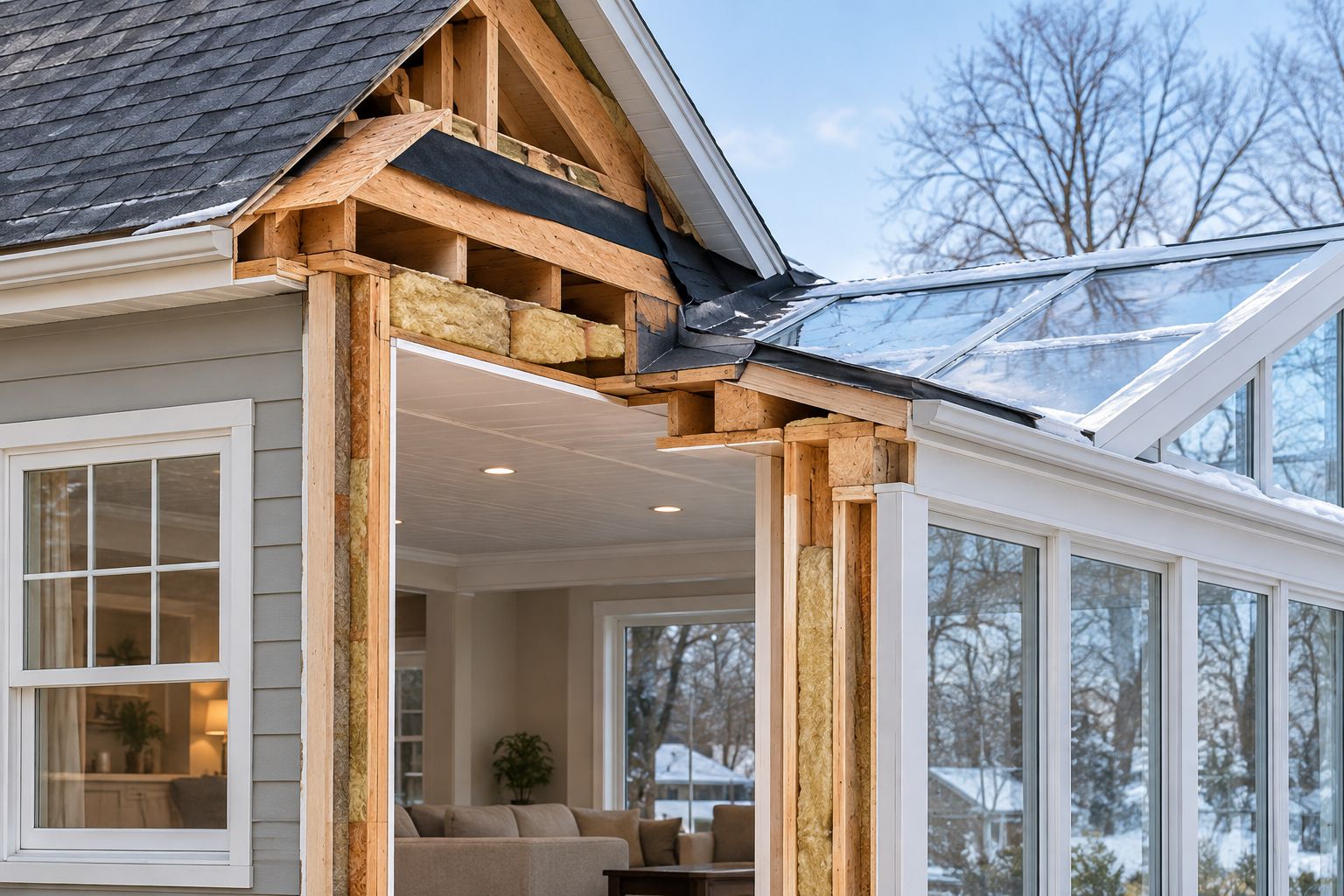
If you also want more space, keep 2 scopes: necessary storm restoration and optional addition or sunroom work. Atozmn's Twin Cities remodeling services include home additions and sunrooms, so discuss the broader project without allowing design decisions to delay urgent protection.
For 2026 planning, ask which decisions affect the damaged assembly now and which can wait. A future addition should not leave an existing roof opening unresolved.
How to compare the contractor's next move
A local remodeling firm belongs on your evaluation list when storm damage crosses roofing, siding, and interior construction. The useful question is whether the written proposal connects those tasks—not whether the contractor offers the longest service list.
Ask each firm:
- Which conditions require action before permanent repairs?
- Who coordinates work where roofing and siding meet?
- How will concealed damage change the scope?
- What confirms the space is ready for interior rebuilding?
- Which permits and inspections apply to the proposed work?
- How will occupied areas remain separated from construction?
Verify applicable Minnesota licensing and insurance, and ask for relevant project references. Evaluate Atozmn against the same requirements rather than assuming a service description proves project fit.
Discuss your storm repair scope
Request a quote or book a free consultation for your Twin Cities home or commercial property.
How the priorities are ranked
The ranking follows consequences: protect people, reduce ongoing exposure, establish the damage record, address moisture, repair the exterior, then rebuild interiors. Documentation and drying often proceed alongside other work; the list is not a reason to postpone safe mitigation.
Which storm damage repair priority should you choose?
Choose the first unresolved risk, not the most noticeable finish problem. If the building is unsafe, restrict access. If water is entering, arrange qualified temporary protection; if enclosed materials are wet, address moisture before reconstruction.
For a 2026 project combining restoration and remodeling, approve the necessary repair path first. Keep elective layout changes visible as separate decisions.
FAQ
What’s the best first step after storm damage at a Twin Cities property?
Check for immediate hazards from a safe location and keep people out of affected areas. Once access is safe, arrange protection against continuing water entry and document visible damage.
Should I repair the roof or the interior ceiling first?
Control the roof leak and assess wet materials before rebuilding the ceiling. A new ceiling does not correct water entering through damaged roofing or flashing.
Should I document damage before emergency repairs?
Document visible damage when you can do so safely, but do not delay necessary mitigation to complete photographs. Keep records of temporary protection, contractor work, and communications with your insurer.
How quickly should wet building materials be dried?
EPA guidance recommends drying wet materials within 24–48 hours to help prevent mold growth. The actual drying process depends on the materials, assembly, and water conditions; verify moisture before rebuilding.
Does storm damage mean I need a complete roof replacement?
Storm damage alone does not establish that a complete roof replacement is necessary. Have the affected roofing and connected details inspected, then compare the proposed repair or replacement scope.
Can I combine storm repairs with a home addition or sunroom?
You can discuss both projects, but keep necessary restoration separate from optional construction. Do not delay urgent weather protection or drying while deciding on a larger addition.
What should commercial property owners prioritize after a storm?
Commercial owners should prioritize occupant safety, safe access, water control, and protection of affected areas. Coordinate restoration with building operations rather than reopening a space solely because visible debris is gone.
One last thing
Water can travel before it becomes visible. Ask the contractor to explain the route from the exterior opening to the interior damage; that explanation is more useful than a proposal that lists replacement finishes without identifying the source.
Related guides
- Should you replace windows and siding together in Minneapolis?
- How do you plan home additions in Minneapolis?
- Can a sunroom home addition work year-round in Minnesota?